Change Management Assignment Help Australia By Management Expert Biology Diagrams Understanding human anatomy and physiology is essential for comprehending how our bodies function, maintain health, and respond to diseases. This knowledge serves as the foundation for fields ranging from medicine and healthcare to sports science and biology. Anatomy focuses on the structure of body parts while physiology examines their functions. The internal human body includes organs, teeth, bones, muscle, tendons, ligaments, blood vessels and blood, lymphatic vessels and lymph. The study of the human body includes anatomy, physiology, histology and embryology. The body varies anatomically in known ways. Physiology focuses on the systems and organs of the human body and their functions.
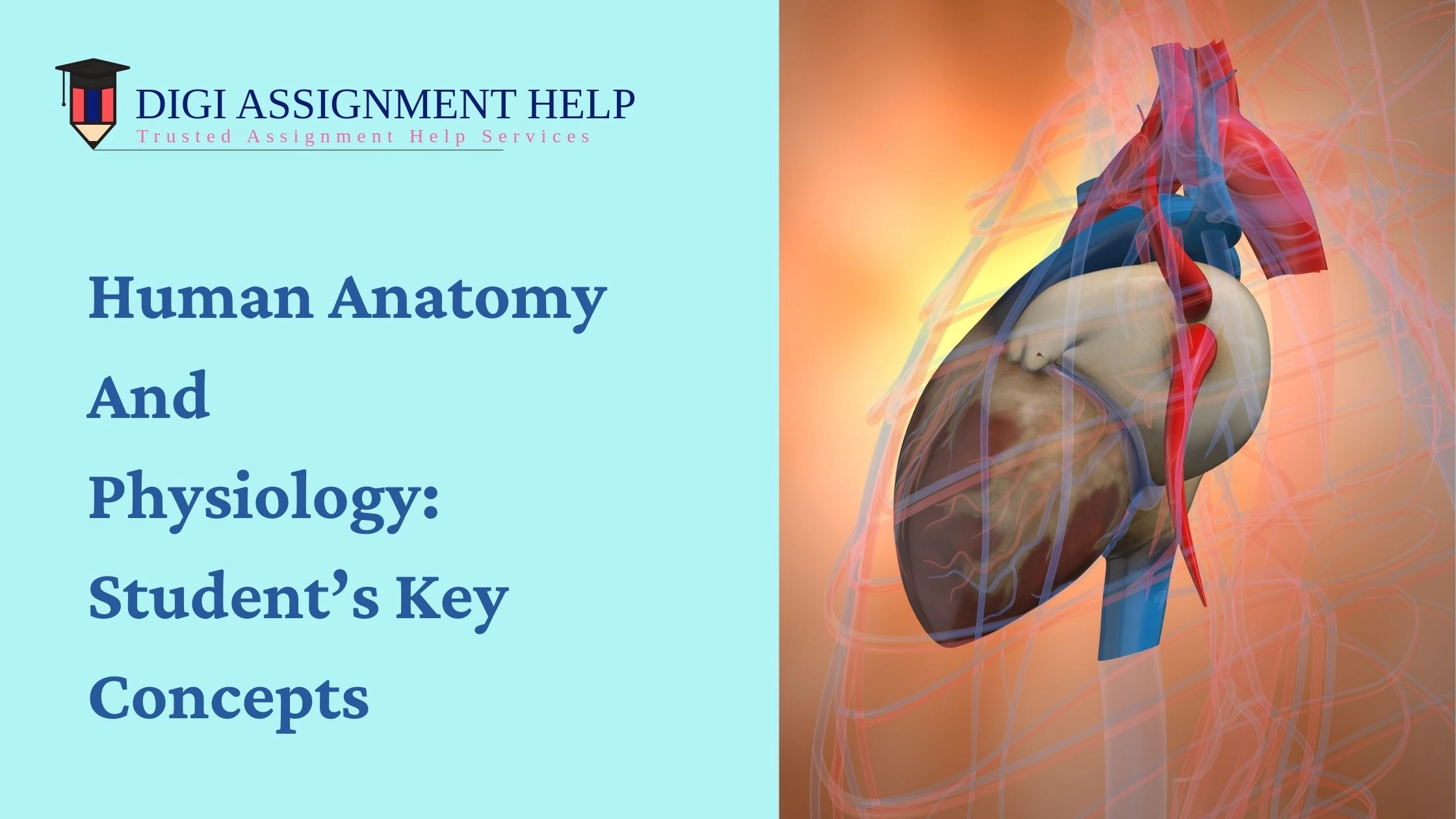
The human body is the physical substance of the human organism. Characteristic of the vertebrate form, the human body has an internal skeleton with a backbone, and, as with the mammalian form, it has hair and mammary glands. Learn more about the composition, form, and physical adaptations of the human body. An Introduction to the Human Body. 1.0 Introduction. 1.1 How Structure Determines Function. 1.2 Structural Organization of the Human Body. 1.3 Homeostasis. This work, Anatomy & Physiology, is adapted from Anatomy & Physiology by OpenStax, licensed under CC BY. This edition,

Human body Biology Diagrams
Human Physiology (physio = "nature"; -logy = "study") studies the "nature" of the human body, nature in the sense of how structures at different levels work. Physiology focuses on function, or how structures at different levels work. Anatomy and physiology are intimately related. A hand is able to grab things (function) because the Innerbody Anatomy Explorer There are 12 major anatomy systems: Skeletal, Muscular, Cardiovascular, Digestive, Endocrine, Nervous, Respiratory, Immune/Lymphatic, Urinary, Female Reproductive, Male Reproductive, Integumentary. Muscular System The muscular system is responsible for the movement of the human body. Human body parts comprise a head, neck and four limbs that are connected to a torso. Giving the body its shape is the skeleton, which is composed of cartilage and bone. Human body internal parts such as the lungs, heart, and brain, are enclosed within the skeletal system and are housed within the different internal body cavities.

Interactive Anatomy and Physiology. Expert created easy to understand articles, interactive diagrams and quizzes that explain the structures and functions of the human body systems. Looking for videos and advanced quizzes? Try our partner site Kenhub.
