Parts Of The Tongue Diagram Biology Diagrams This article will discuss the anatomy of the tongue, taste sensation, the gustatory pathway, as well as pathological conditions related to the tongue. Contents Tongue muscles Taste pathway (diagram) - Paul Kim; Muscles and taste sensation of the tongue: want to learn more about it? Our engaging videos, interactive quizzes, in-depth articles

The tongue is a muscular organ located in the oral cavity, playing a critical role in speech, taste, chewing, and swallowing. It is composed of skeletal muscles covered by a mucous membrane, giving it both flexibility and strength for its various functions. Clinical Anatomy of the Masticatory Apparatus and Peripharyngeal Spaces. New York

Structure, Anatomy, Function, Diagram, Parts Biology Diagrams
The tongue is a muscular structure located on the floor of the oral cavity. It is the primary taste organ and plays a key role in the initial phases of swallowing. In this article, we shall look at the anatomy of the tongue - its structure, innervation and clinical correlations.

The diagram of tongue provides a visual representation of its morphology and functional regions. A diagram of tongue anatomy helps us recognize its importance in everyday activities. Also, the tongue diagram is an important educational tool for healthcare professionals, students, and anyone looking
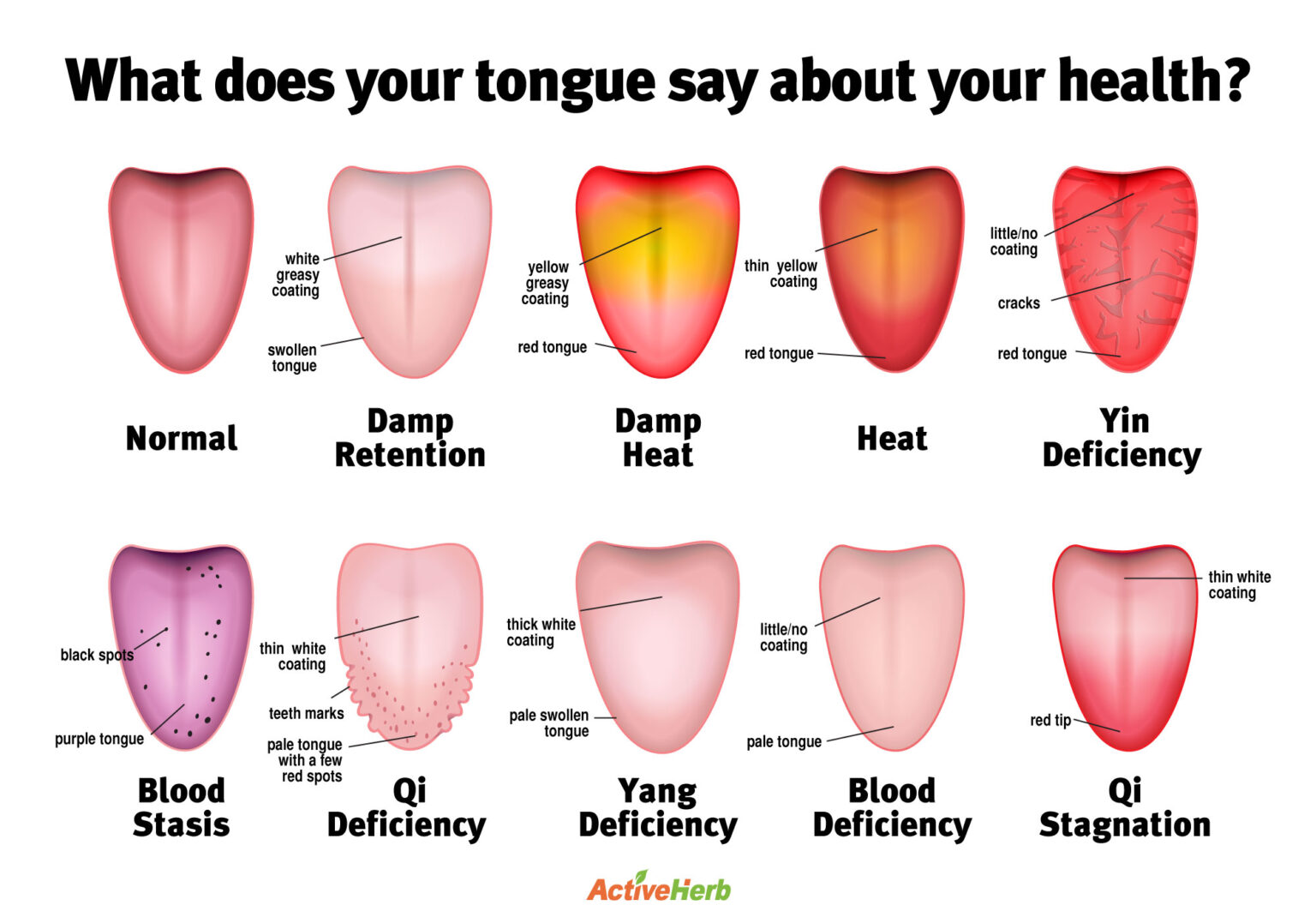
Tongue: Anatomy, muscles, taste buds, gustatory pathway Biology Diagrams
Learn about the tongue anatomy with its different parts, names and functions. See a diagram of the tongue and its muscles, nerves, blood vessels, taste buds, saliva glands and more. Learn about the structure, development, and functions of the tongue, a muscular organ in the oral cavity. See diagrams, videos, quizzes, and articles on the tongue's parts, surfaces, relations, blood supply, lymphatics, and nerves. The tongue's anatomy includes interlacing muscles, nerves, and a blood supply. The tongue is a muscular organ that lies within the mouth and partly extends into the upper throat. The functions of the tongue include eating, tasting, swallowing, speech, and even breathing. Changes in the appearance of your tongue could indicate an underlying issue.
