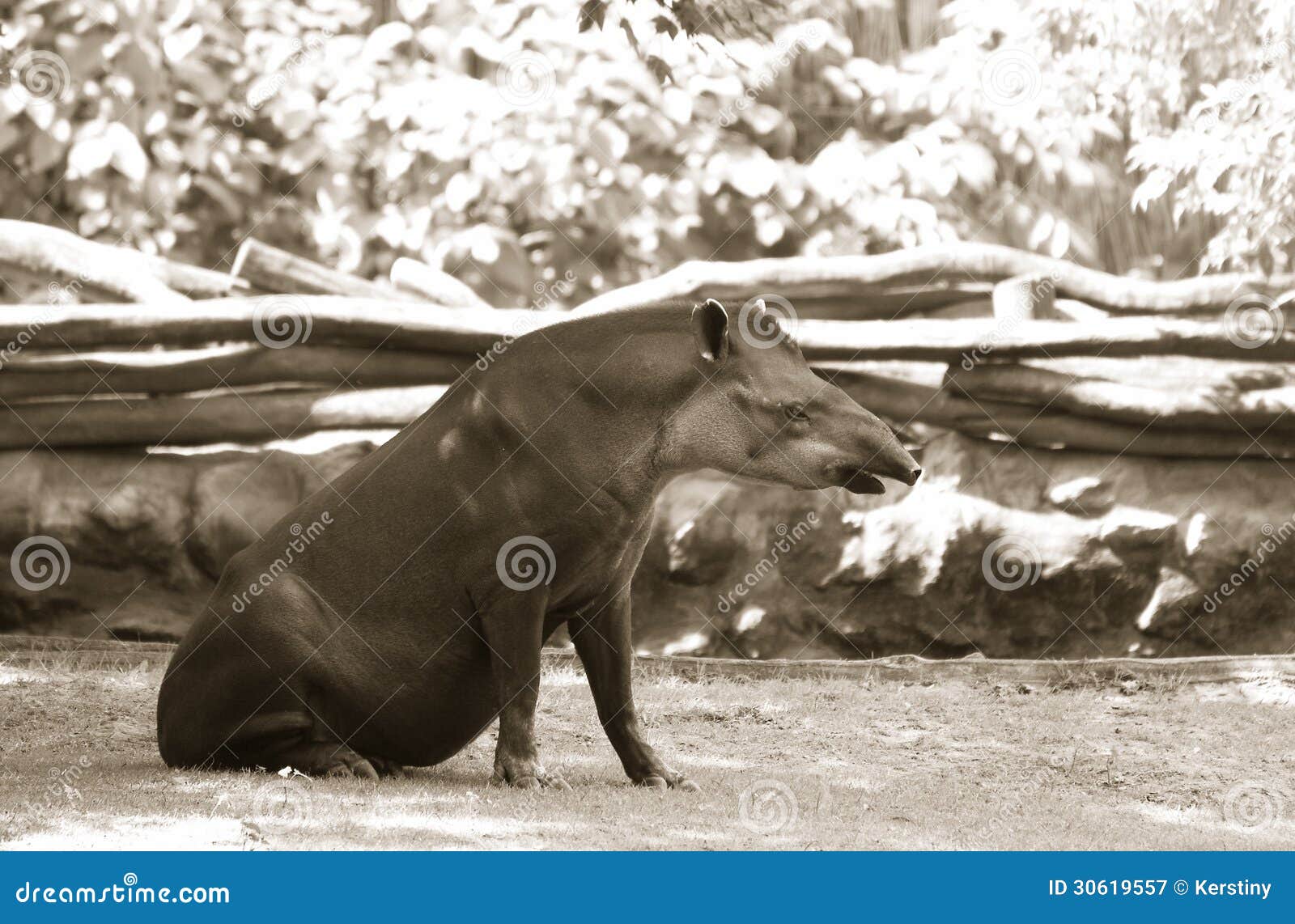
South American Tapir Image Photo Free Trial Biology Diagrams In addition, they are part of the food cycle of predators such as jaguars and pumas, helping to maintain the balance of the food chain. The reappearance of the South American tapir is proof that nature can recover if given adequate protection, and is great news for the conservation of the Atlantic rainforests!

Tags: asia, central america, conservation, endangered, fact sheet, forest, nocturnal, san diego zoo, sdzwa, south america, tapir SDZWA Library Mission: To provide outstanding information resources and services to advance knowledge in animal and plant care and conservation, inspire passion for nature, ignite personal responsibility, and

ADW: Tapirus terrestris: INFORMATION Biology Diagrams
The Amazonian tapir is found in South America, from northern Colombia to northern Argentina and southern Brazil on the eastern side of the Andes Mountains. Tapirs are generally most active at night, although they are often active during the day. Known for their reclusive, solitary lifestyles, tapirs are difficult to see in the wild.

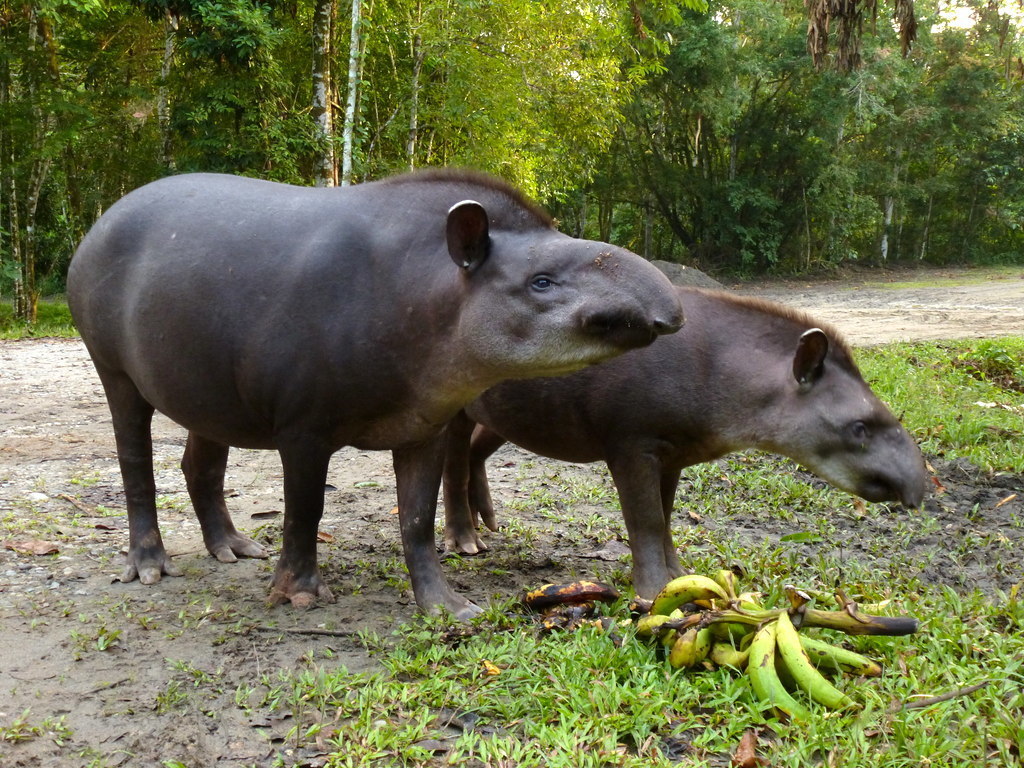
This is an Amazon Rainforest Food Web.See if you can identify all the parts of the food web that make this a functioning, healthy ecosystem. Look for: The Producers - the trees, shrubs, bromeliads and other plants.. The Primary Consumers - the macaws, monkeys, agouti, tapir, butterflies, sloths, toucans.. The Secondary Consumers - the jaguar and boa constrictor. A South American tapir browsing leaves at Pouso Alegre, Transpantaneira, Poconé, Mato Grosso, Brazil. The South American tapir is an herbivore. Using its mobile nose, it feeds on leaves, buds, shoots, and small branches it tears from trees, fruit, grasses, and aquatic plants. They also feed on the vast majority of seeds found in the rainforest
15 Top Tapir Facts Biology Diagrams
The Tapir is a large pig-like, browsing mammal that belongs to the family: Tairidae. Tapirs are odd-toes ungulate animals that can be found in the rainforests of South and Central America and Southeast Asia. There are 4 living species of Tapir of which three are native to the American rainforests and one native to the Asian rainforests.

Tapirus terrestris can be found predominantly in Brazil, but its range covers much of South America's tropical forests. It ranges from northern Argentina to Venezuela, but is absent from Chile and locations west of the Andean Cordillera. Food Habits. Brazilian tapirs browse at night, eating fruit, leaves, and other plant material Tapir are herbivorous mammals that live in the jungles and forests of South and Central America. They have short snouts, resembling that of anteaters, that enable them to grab onto branches and leaves. Seasonal fruits and seeds are one of the main food sources for tapirs. After they consume them, tapirs will travel to different locations The South American tapir (Tapirus terrestris) is a large herbivorous mammal found in the tropical rainforests of South America. It is the largest tapir species and plays a significant role in maintaining ecosystem balance. This article provides a comprehensive overview of the South American tapir, focusing on its habitat and range, physical characteristics, diet and